
A practical way to plan the right work before comparing the numbers
Landscaping cost can describe anything from refreshing a few beds to rebuilding an entire yard. That is why two honest estimates can be thousands of dollars apart: they may not include the same demolition, soil work, drainage, plant sizes, edging, lighting, cleanup, or establishment care.
Published price pages often mix different scopes and pricing methods, so they are not a reliable quote for your yard. Compare the expected total, crew and equipment assumptions, materials, hauling, disposal, restoration, and finished scope.
The short answer: small bed updates may fit within common online ranges, but complete landscape renovations can cost much more. The reliable number comes from measuring the work, documenting site conditions, and pricing one clear scope.
First decide which kind of landscaping project you are pricing
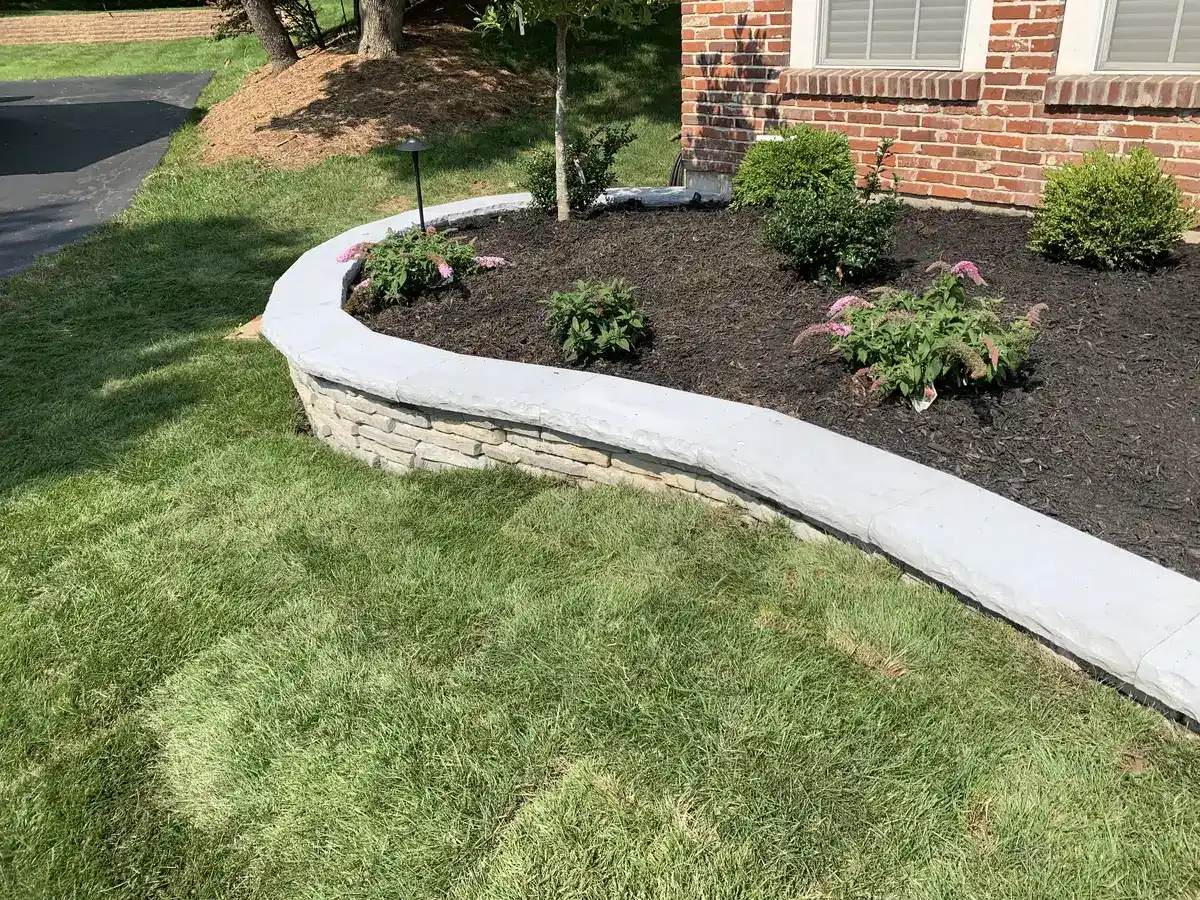
A cost comparison only works when the category is clear. A cosmetic refresh may involve bed cleanup, mulch, selective plant replacement, and crisp edges. A focused renovation might add a new planting plan, sod, grading, drainage improvements, or a redesigned front entry. A full-yard project can coordinate planting with patios, walkways, walls, lighting, an outdoor kitchen, or later phases.
Keep recurring lawn care separate from new landscape installation. Weekly mowing, seasonal cleanup, and bed maintenance are continuing services; demolition, grading, planting, and construction are project costs. Combining them into one vague number makes both the initial investment and the long-term commitment harder to understand.
The seven inputs that usually shape landscaping cost
A complete estimate should make these cost drivers visible:
- Design and scope: the number of areas being changed and the detail required to connect them.
- Removal and preparation: old plants, turf, roots, concrete, unsuitable soil, and debris that must come out before installation.
- Grade and drainage: low spots, runoff paths, erosion, downspouts, and slopes that must be addressed before finish materials go in.
- Plant and material choices: quantities, container sizes, species, mulch or rock, edging, soil amendments, sod, and specialty features.
- Access and equipment: gate width, stairs, fences, long hauling distances, limited staging, and protection for surfaces that remain.
- Labor and sequencing: the crew time required and whether planting must coordinate with walls, walks, utilities, lighting, or irrigation.
- Cleanup and establishment: hauling, final grading, watering instructions, replacement terms, and any follow-up or maintenance included.
Square footage matters, but it does not explain the whole price. A compact front yard with extensive removal, a tight side gate, and drainage correction can require more work than a larger open area with healthy soil and direct equipment access.
How to calculate a working landscape budget
Start with a simple formula: site preparation + materials + installation labor + equipment and hauling + optional features + an appropriate contingency. Then separate what must be done now from what can become a later phase.
For planting areas, measure approximate bed length and depth, then identify what stays, what leaves, and what needs to be added. Count major plants separately rather than using one broad “plant material” allowance. For sod, mulch, rock, and soil, ask whether quantities, delivery, and installation are all included. If you are considering a more complete redesign, a landscape design can clarify the layout and phase boundaries before installation costs are finalized.
Use the online price ranges as an early orientation, not as the budget itself. A site visit can reveal buried roots, poor soil, access limits, or drainage work that a square-foot calculator cannot see. It can also identify healthy plants, sound edging, or usable grades that may reduce unnecessary replacement.
Is $100 an hour too much for landscape work?
An hourly rate cannot be judged without knowing what it represents. Ask whether it is a labor hour, a crew hour, or a blended rate. Then ask whether supervision, commercial equipment, delivery, travel, disposal, and cleanup are included or billed separately.
A higher rate can produce a lower total when an experienced crew has the right equipment and completes the defined work efficiently. A lower rate can become more expensive when the job takes longer or essential tasks are excluded. Compare the expected total and finished scope—not the hourly figure in isolation.
Drainage and soil preparation are expensive to redo later
Water movement belongs in the first estimate, not as an afterthought. The Metropolitan St. Louis Sewer District notes that stormwater that is not absorbed into the ground moves through drainage systems, creeks, and rivers across the region. In your yard, that movement can affect low areas, planting beds, slopes, lawn health, and the edges where landscaping meets hardscaping.
If water already ponds, soil has washed away, or downspouts discharge into the proposed work area, ask how the plan will manage those conditions. A less expensive planting-only quote may not be comparable to one that includes regrading, soil improvement, drainage components, or a retaining wall. Removing those items can lower the upfront total while leaving the cause of the problem in place.
This is especially important when comparing work across the St. Louis service area, Jefferson County, and St. Charles County. Lots, slopes, access, and local requirements vary, so location is context for the site review—not a substitute for one.
How to reduce cost without weakening the plan
Protect the work that makes the landscape function: drainage, appropriate grades, useful soil preparation, and safe access. If the first estimate is above budget, reduce the visible scope or phase it instead of stripping out the foundation.
- Preserve healthy plants and sound features that fit the new plan.
- Use a smaller selection of repeated plants instead of many specialty varieties.
- Choose smaller healthy plants where waiting for mature growth is acceptable.
- Concentrate detail at the entry, patio, or view you use most.
- Install the grading, utilities, and bed layout now, then add lighting or secondary planting later.
- Compare mulch, stone, edging, and other finishes by installed cost and maintenance—not purchase price alone.
A phased plan should still look intentional after each stage. Define what will be complete in phase one, what temporary conditions remain, and how later work can be added without tearing out what you just paid to install.
Compare landscaping estimates line by line
Give each company the same goals, approximate dimensions, access notes, known drainage concerns, preferred materials, and maintenance expectations. Then compare the written documents for:
- Areas included and excluded
- Removal, protection, and disposal
- Grading, drainage, and soil preparation
- Plant names, quantities, and sizes
- Material types, quantities, and allowances
- Edging, sod, mulch, lighting, or irrigation coordination
- Cleanup, establishment care, and ongoing maintenance
- Change-order process, payment schedule, and warranty terms
If one total is much lower, find the missing difference before assuming it is the same project for less money. The most useful estimate lets you see what you are buying and which choices can be adjusted to meet your priorities.
Ask for a decision-ready estimate. The scope should distinguish essential site work, selected materials, optional upgrades, and future phases so you can adjust the budget without guessing what was removed.
Frequently Asked Questions
Landscaping Cost Questions
How do you calculate landscaping cost?
A useful landscaping estimate combines the defined work area with demolition and preparation, grading or drainage, plants and materials, labor, equipment access, hauling, cleanup, and initial care. Ask for quantities and allowances in writing so you can compare the same scope across quotes.
Is $100 an hour too much for landscape work?
An hourly rate by itself does not show whether a quote is expensive. It may cover one worker or a crew and may include equipment, travel, disposal, supervision, and overhead. Compare the total project price, expected scope, crew basis, materials, and exclusions before judging the rate.
What makes landscaping more expensive?
Large work areas, demolition, poor access, steep grades, drainage correction, soil improvement, mature plants, extensive edging or walls, lighting, irrigation coordination, hauling, and phased work can all increase cost. The best estimate explains which of these conditions apply to your yard.
How can I lower landscaping cost without creating future problems?
Keep the drainage and soil preparation needed for the site, then reduce or phase visible scope. You can simplify the plant palette, use smaller healthy plants, limit specialty materials, preserve suitable existing features, or build the plan in logical stages.
Should landscaping and lawn care be priced together?
Installation and recurring maintenance are different scopes. Ask for the landscaping project, establishment care, and ongoing lawn or bed maintenance as separate line items so you can see the initial investment and the continuing commitment.