(314) 630-8814 Project Estimate
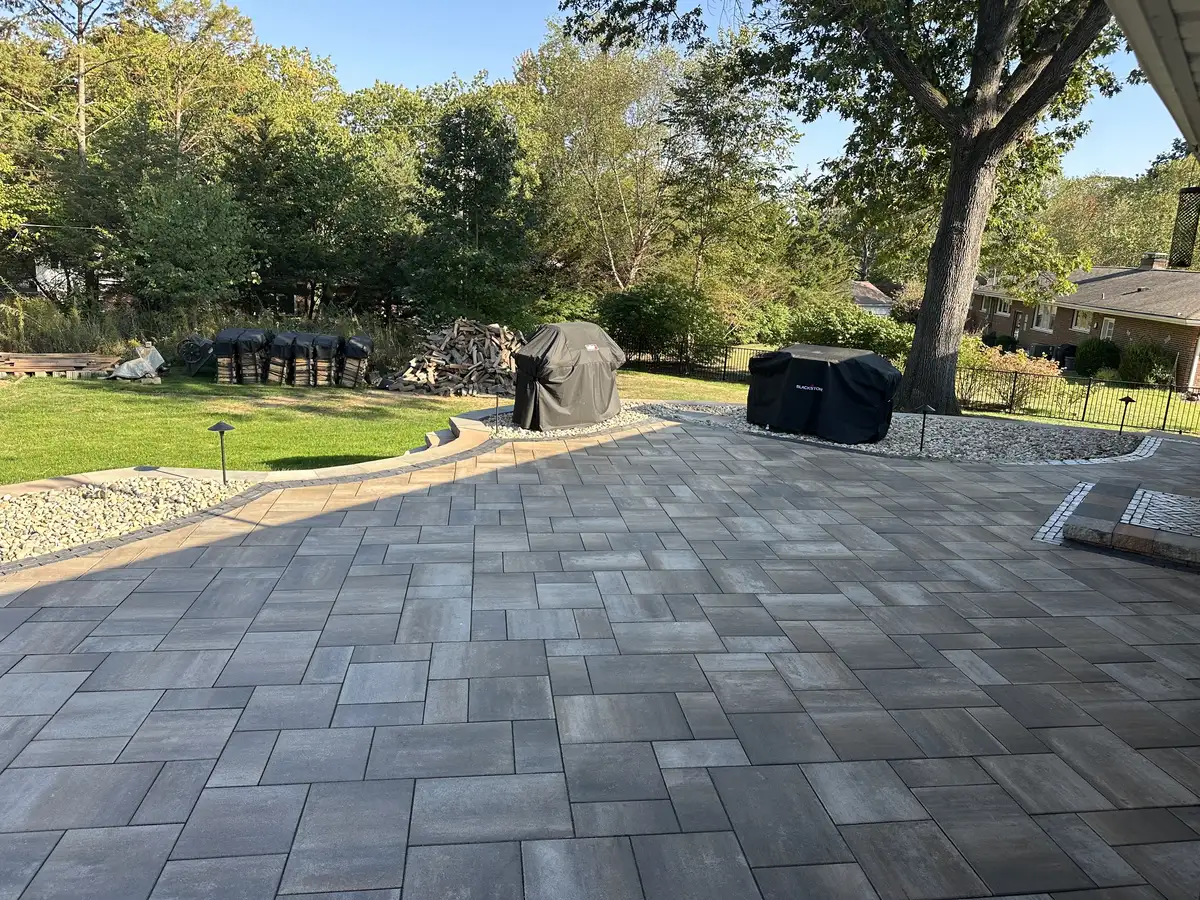
Finished paver patio with clean joints and a defined accent border

Paver Cleaning & Sealing in St. Louis

Refresh a paver patio, driveway, or walkway with cleaning, joint maintenance, and a compatible sealer selected for the actual surface and condition.

Why Your Pavers Need Cleaning and Sealing

Paver surfaces can collect dirt, organic growth, stains, or low joint material over time. The type and severity of wear depend on exposure, drainage, traffic, vegetation, winter practices, the original installation, and prior maintenance.

Cleaning, joint repair, and sealing may improve some surfaces, but the right combination depends on the paver, stain, existing coating, joint condition, drainage, and desired finish. An assessment should set realistic expectations before products are selected.

Cleaning agents, joint material, and sealers should be checked for compatibility with the exact paver and any prior treatment. A small test area and current product instructions help set realistic expectations.

What a Cleaning and Sealing Scope Should Address

The sequence and products should be selected for the actual surface, prior treatment, joint condition, stains, drainage, and weather.

1

Inspection & Assessment

Inspect joint integrity, staining, residue, organic growth, movement, drainage, and any existing coating before choosing a cleaner, joint material, or sealer.

2

Weed & Moss Removal

Existing weeds and moss can be removed before cleaning and joint work. Future growth depends on moisture, airborne seed, joint condition, shade, and maintenance, so no treatment prevents regrowth permanently.

3

Deep Cleaning

Cleaning products, equipment, pressure, dwell time, rinsing, and stain expectations vary by paver and condition. Test a small area and follow the current product guidance; some stains or residue may remain.

4

Joint Re-Sanding

Where appropriate, joints can be refilled with a compatible material after cleaning and adequate drying. Product selection and activation should follow current instructions and account for joint width, drainage, weather, and the paver type.

5

Sealant Application

Sealer appearance, protection, compatibility, and reapplication timing vary by product, paver, exposure, traffic, preparation, and application conditions. Follow the selected manufacturer instructions.

What Cleaning and Sealing Does for Your Pavers

Clarifies the Existing Finish

Cleaning can remove some surface buildup, while compatible color-enhancing products may deepen the appearance. Results vary with permanent wear, stains, porosity, prior coatings, and the selected finish.

Supports Cleaner Joints

Fresh joint material and an appropriate sealer may reduce some weed and insect activity, but airborne seeds and favorable growing conditions can still produce new growth.

May Make Some Spills Easier to Clean

A compatible sealer may change how quickly some liquids absorb, but performance varies by product, paver, spill, exposure, preparation, and maintenance.

May Help Protect Compatible Pavers

Some sealers reduce water absorption when applied to compatible pavers under the required conditions. Performance varies by product, preparation, application, exposure, and maintenance.

Addresses Low or Deteriorated Joints

Joint repair may be part of the scope when existing material is low or failing. Movement, drainage, insects, cleaning practices, and base conditions should also be evaluated rather than treating joint material as a universal cure.

Improves the Finished Appearance

A clean patio or driveway can make the existing color, pattern, and border easier to appreciate and give the surrounding outdoor area a more cared-for appearance.

Paver Cleaning & Sealing FAQ

There is no single sealing interval for every surface. Evaluate the paver, existing sealer, exposure, traffic, joint condition, and current wear, then confirm compatibility and timing for the selected product.

Cleaning and sealing pricing depends on surface area, current condition, weed and stain removal, joint repair, access, drying conditions, and the compatible sealer selected. Request a surface-specific estimate.

The suitable window depends on the selected cleaner, joint material, and sealer. Follow current product requirements for surface moisture, air and surface temperature, drying, cure time, and expected rain rather than using one calendar rule.