(314) 630-8814 Project Estimate
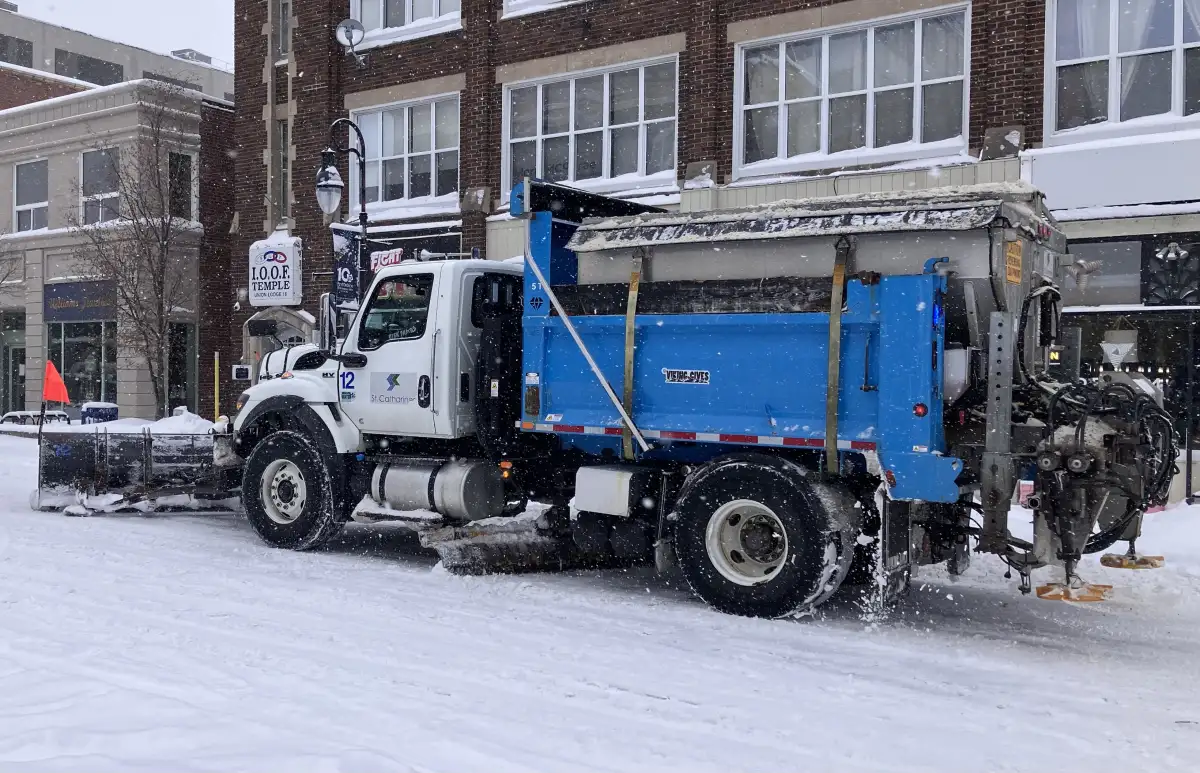
Snow plow truck clearing a snowy road during a winter storm

Snow Removal St. Louis — Commercial Snow Plowing & De-Icing

Reliable commercial snow plowing, de-icing, and sidewalk clearing for properties across the St. Louis metro area.

Commercial Snow Removal Planning

Commercial properties need a snow and ice plan that identifies priority areas, service triggers, communication, access limitations, material preferences, and the scope for parking lots, walks, entries, loading zones, and emergency routes.

Green Operations offers commercial snow removal and ice-management services across St. Louis, Jefferson County, and St. Charles County. Availability and response terms depend on the property and the written service agreement.

Snow service can support property access, but weather and surface conditions remain variable. Property managers should review their own inspection, warning, closure, and risk-management responsibilities rather than treating plowing or de-icing as a guarantee against incidents.

Before Signing an Agreement

  • Map the property: Mark lots, walks, entries, loading zones, fire lanes, and obstacles.
  • Define triggers: State when service begins and how ice, drifting, refreeze, and municipal plow piles are handled.
  • Set priorities: Identify the order for entries, accessible routes, emergency access, and business-critical areas.
  • Confirm materials: Document allowed products, storage, application scope, and surface limitations.
  • Assign contacts: Name who can authorize changes and how updates will be exchanged.

Commercial Snow & Ice Services

Define the areas, priorities, triggers, materials, limitations, and communication terms that belong in the written scope.

Snow Plowing

Parking lots, access roads, and large paved areas can be included with event triggers, priority routes, parked-vehicle constraints, and repeat-service terms stated in the agreement.

Salt & De-Icing

If de-icing is included, confirm the allowed materials, application areas, timing, temperature limitations, environmental constraints, and authorization for repeat treatment.

Sidewalk Clearing

Sidewalks, entries, loading docks, and accessible routes should be named individually, with priority, equipment, material, and follow-up terms in the agreement.

Storm Response Planning

A written response plan can identify forecast review, service triggers, priority areas, communication, and follow-up conditions for the property.

Commercial Property Types

Each property type needs its own route map, priorities, operating hours, authorization contacts, and written exclusions.

Retail & Shopping Centers

Identify parking lanes, fire lanes, cart corrals, delivery zones, entries, and walks, then state operating hours and priority areas in the scope.

Office Complexes

Map employee parking, visitor areas, entrances, accessible routes, and emergency exits, and define the service window the property requires.

HOA & Multi-Family

For community roads, shared parking, common sidewalks, and clubhouse areas, define priority routes, resident communications, parked-vehicle constraints, and property-manager authorization in the service agreement.

Industrial & Warehouse

Loading docks, truck lanes, gates, employee parking, trailer areas, and shift changes should be reflected in the property map and service priorities.

Medical & Healthcare

Patient drop-off zones, emergency entrances, accessible paths, and staff parking require clearly defined priorities and response terms in the agreement.

Restaurants & Hospitality

Guest parking, valet areas, and outdoor dining spaces. First impressions matter, especially when your customers are choosing between staying home and going out.

Build a Property-Specific Winter Response Plan

Use the service agreement to document how a winter event will be handled:

  • Before an event: Confirm the forecast, property map, parked-vehicle constraints, material storage, priority areas, and communication contacts.
  • Service trigger: State the accumulation or condition that initiates service and whether drifting, ice, refreeze, or municipal plow piles are treated separately.
  • During the event: Define which areas receive attention first and how repeat service, de-icing, and changing conditions are authorized.
  • After the event: Identify follow-up conditions, inspection responsibilities, communication, and any documentation included in the contract.

Ask what service records, timestamps, photographs, or confirmations are included in the proposed agreement and how records are delivered.

Questions to Resolve in Writing

  • Will the proposal include a property map with priorities and obstacles?
  • What conditions trigger service, repeat visits, and de-icing?
  • Who are the authorized contacts for the property and provider?
  • Which lots, walks, entries, materials, and follow-up tasks are included or excluded?
  • How are pricing, extraordinary events, changes, and records documented?