
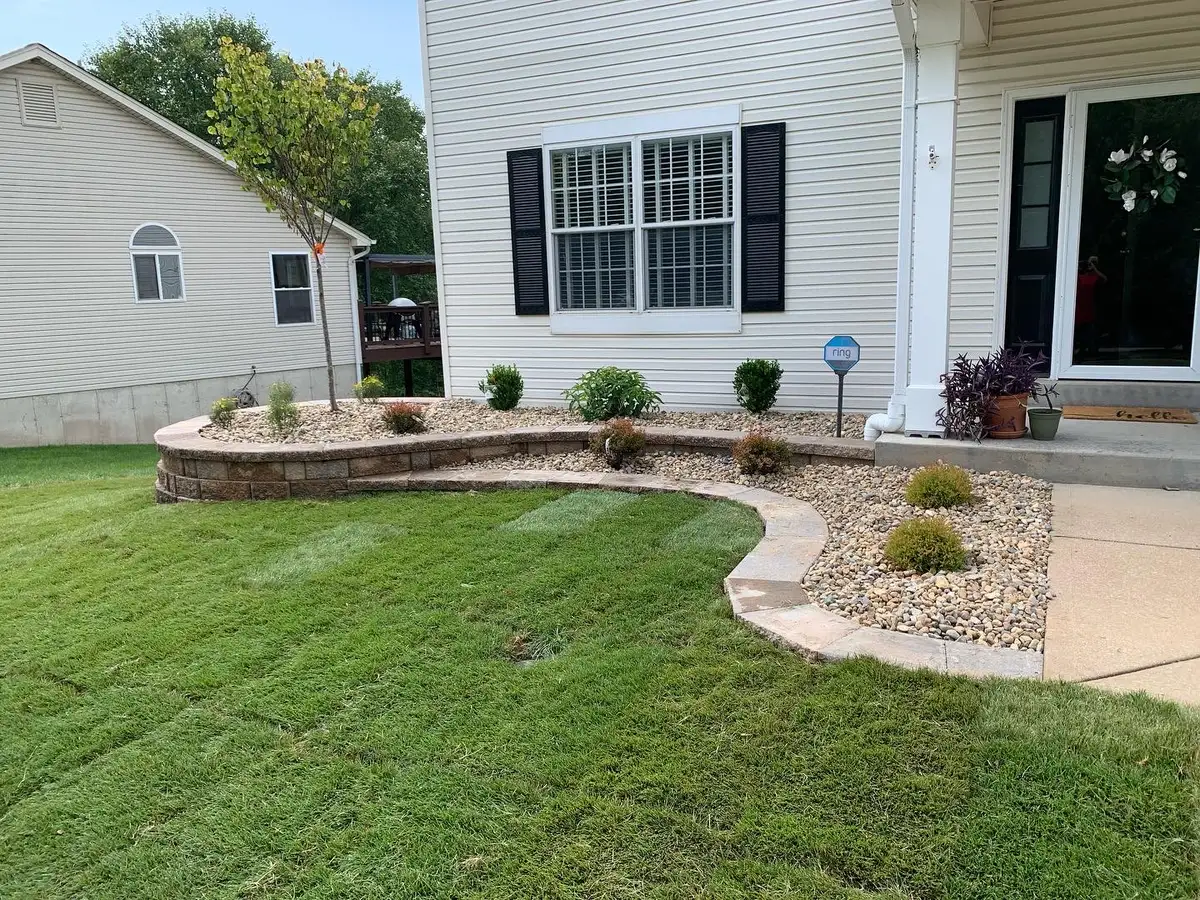
A practical way to budget for mowing, maintenance, and one-time yard work
Lawn care cost is rarely one universal number. A small, regularly maintained yard is a different job from an overgrown lawn with a steep grade, narrow gate, heavy trimming, leaf removal, or repair work. Even quotes that look similar can cover different tasks.
The most useful answer is a pricing method: define the work, give every provider the same property details, and compare the total cost for the same result. Green Operations provides lawn care services across the St. Louis area, and a property-specific estimate is the clearest way to price your yard.
Start with scope, not a “starting at” price. Confirm the visit frequency, mowing area, trimming, edging, blowing, clipping handling, cleanup, and any seasonal or corrective work before comparing totals.
Why lawn care prices vary from yard to yard
A provider has to account for more than lawn square footage. Time on site can change with grass height, slopes, wet or soft ground, obstacles, fence gates, the amount of trimming, parking and equipment access, and whether debris must be hauled away. A corner lot with long curb lines may also involve more edging than a similar-size backyard.
Frequency matters too. Routine mowing can be more predictable than a one-time visit to an overgrown yard. During fast growth, waiting longer between cuts may increase labor and cleanup. During slower periods, the schedule may change. Ask how weather delays, skipped visits, and seasonal frequency are handled so the monthly total does not surprise you.
What should a basic lawn care quote include?
“Lawn care” can mean mowing only or a broader maintenance plan. Before comparing prices, ask each provider to identify what the quoted visit includes:
- Mowing and the areas included in the cut
- Trimming around beds, fences, trees, and structures
- Edging along walks, curbs, drives, or patio borders
- Blowing clippings from hard surfaces
- Mulching, bagging, or hauling away clippings
- Visit frequency and the policy for weather delays
- Extra charges for tall grass, leaves, sticks, or cleanup
Fertilization, weed control, aeration, overseeding, grub treatment, shrub trimming, and spring or fall cleanup are separate from a basic cut unless the estimate says otherwise. Green Operations’ landscaping services may also be relevant when the work extends beyond the lawn into beds, plantings, grading, or a larger yard plan.
Per-visit, hourly, and project pricing are not interchangeable
Recurring mowing is often easiest to understand as a price per visit or a recurring plan. Cleanup and miscellaneous yard work may be quoted by the hour, crew hour, task, or complete project. Materials, disposal, and minimum service charges may be separate.
That is why a question such as “Is $100 an hour too much?” cannot be answered from the rate alone. One company may quote a single worker; another may quote a crew with commercial equipment. One rate may include travel and hauling; another may add those costs later. Compare the expected total, crew size, estimated time, included equipment, disposal, and finished scope.
How much does two hours of yard work cost?
Ask whether “two hours” means two hours for one person or two crew hours. Then confirm the rate structure, minimum charge, materials, disposal fees, and exactly what can reasonably be completed. Two workers for one hour and one worker for two hours may represent the same labor time but produce a different result depending on equipment and task sequence.
For a useful quote, describe the work instead of requesting time alone: mowing, hand weeding, leaf collection, bed cleanup, shrub trimming, or debris hauling. Photos and approximate dimensions can help the provider determine whether an hourly allowance or fixed project price makes more sense.
Lawn growth can change mowing frequency
Grass type, current height, recent growth, weather, ground conditions, equipment, and the desired finished height can all affect a suitable mowing schedule. If the lawn is overgrown, ask the provider how the cutting plan will protect the turf and handle the additional clippings.
This is one reason the cheapest schedule on paper may not be the best fit. A frequency that follows actual growth can support a cleaner cut and reduce the heavy clippings and extra cleanup that come with overgrown grass.
St. Louis conditions can change the work
Across the St. Louis service area, Jefferson County, and St. Charles County, the same yard will not require the same amount of work every week of the season. Periods of faster growth, summer stress, wet ground, fall leaves, and compacted areas can change mowing frequency or create needs beyond routine cutting.
Drainage belongs in the conversation when water stands in the lawn, runoff crosses a mowing route, or equipment repeatedly leaves ruts. The Metropolitan St. Louis Sewer District explains that stormwater that is not absorbed into the ground flows across the region through drainage systems, creeks, and rivers. Routine mowing will not correct a drainage problem, so separate the maintenance quote from any work needed to address grading or runoff.
How to compare lawn care quotes fairly
Give each provider the same information: address, approximate lawn size, gate width, slopes, current grass height, obstacles, preferred frequency, pets, edging areas, clipping preference, and any problem spots. Then compare these questions side by side:
- What is the total per visit, month, or project?
- Which tasks are included every time?
- What triggers an extra charge?
- How are rain delays and skipped visits handled?
- Are seasonal services included or quoted separately?
- What should be done before the crew arrives?
Affordable lawn care is not simply the lowest headline price. It is the service that covers the work your yard needs, on a workable schedule, without vague exclusions or repeated corrective visits.
Make the quote easy to compare. Ask for one written total tied to a clear scope, then separate optional improvements from the routine work you need now.
Frequently Asked Questions
Lawn Care Cost Questions
How much should lawn care cost?
Lawn care cost depends on the size and condition of your yard, mowing frequency, slopes and access, trimming needs, cleanup, disposal, and any services beyond mowing. Compare written scopes and total visit prices rather than relying on a low advertised starting price.
How much does two hours of yard work cost?
The total depends on whether the company prices by the visit, labor hour, crew hour, or task, plus any materials, hauling, or minimum charge. Ask for the expected total and included work before the visit instead of multiplying an hourly number without knowing the crew size or fees.
Is $100 an hour too much for landscape or lawn work?
An hourly figure alone does not show value. It may represent one worker or a crew and may include commercial equipment, travel, fuel, disposal, and overhead. Compare the expected total, crew size, scope, equipment, and finished result before deciding whether a rate is high or low.
What can change mowing frequency?
Grass type, current height, recent growth, weather, ground conditions, equipment, and the desired finished height can all affect a suitable mowing schedule. Ask the provider how the schedule and cutting height will be adjusted for the actual lawn.
How can I compare affordable lawn care services in St. Louis?
Give each provider the same property details and ask for a written scope covering mowing frequency, trimming, edging, blowing, clippings, cleanup, add-ons, skipped visits, and extra charges. The most affordable option is the one that covers the work you need without surprise fees or repeated corrective visits.