
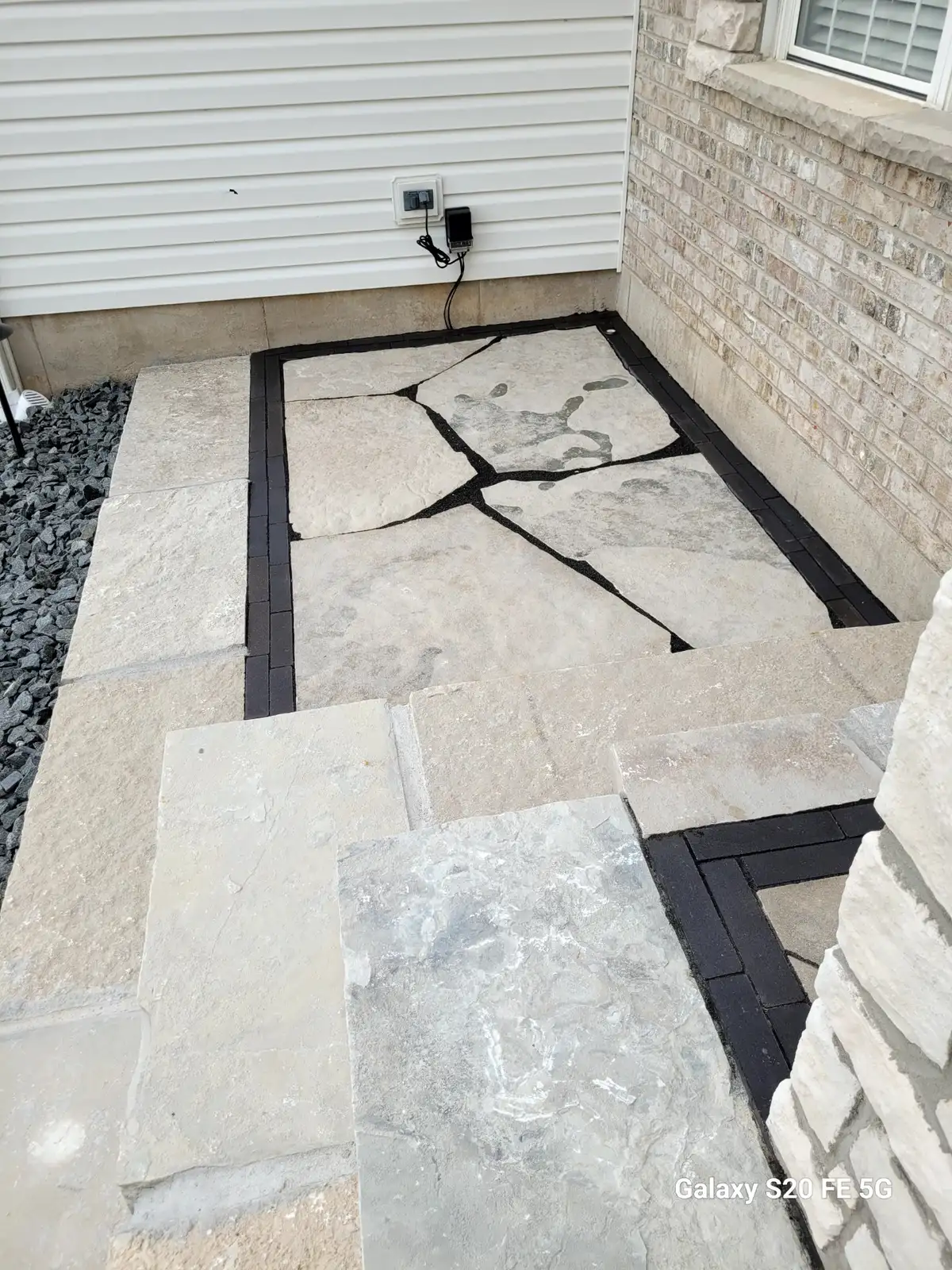
The right time to seal pavers in St. Louis is when the surface is ready and the forecast matches the selected product's application and cure requirements. Start with the current manufacturer instructions rather than a calendar date: air temperature, surface temperature, moisture, rain, sunlight, and prior coatings can all change the safe application window.
That timing matters because incompatible products, trapped moisture, or rushed surface preparation can leave haze, uneven sheen, or peeling. Here is how to decide whether a paver patio, drive, or walk is a good candidate for cleaning and sealing.
Why Paver Sealing Matters in Missouri
St. Louis pavers are exposed to sun, rain, organic debris, winter weather, traffic, and deicing practices. A sealer can be one part of a maintenance plan, but the expected appearance and performance depend on the paver, joint material, drainage, existing coating, and product selected.
A quality paver sealer does three things:
- Joint support: Some compatible systems help stabilize joint material, but loose or missing sand should be diagnosed and corrected before coating.
- Surface cleanup: Some sealers can make certain stains easier to clean. Performance varies by stain, paver porosity, coating type, and maintenance.
- Appearance: Products range from natural-look to color-enhancing finishes. Test an inconspicuous area because the final color and sheen can differ from the sample.
Signs Your Pavers Need Sealing
These observations can help you decide whether to request an assessment. They do not automatically mean that another coat is appropriate; existing products and underlying conditions need to be identified first.
The Water Test
A small water test can reveal differences in surface absorption, but it does not identify the existing coating or prove that the surface is ready to reseal. Compare several areas and confirm compatibility before choosing a product.
Fading Color
Compare exposed areas with locations shaded by furniture. A visible difference may come from weathering, dirt, moisture, or a prior coating. Cleaning a test area helps separate surface buildup from permanent color change.
Weed Growth in Joints
Growth in the joints can point to accumulated organic material, missing joint sand, moisture, or deferred maintenance. Remove the growth, inspect the joints, and address drainage or movement before deciding whether sealing belongs in the repair plan.
Efflorescence
White, chalky deposits may be efflorescence, but similar-looking residue can have other causes. Identify and treat the condition using the paver manufacturer's guidance before coating the surface.
Ant Hills and Sand Loss
Small sand piles or low joints deserve a closer look. The cause may involve insects, runoff, cleaning practices, failed joint material, or movement. Refill joints with a compatible material only after the cause and required preparation are understood.
The Best Time of Year to Seal Pavers in St. Louis
St. Louis weather changes quickly, so choose a suitable forecast window instead of relying on the month alone.
Spring and Early Summer
A dry stretch may offer workable conditions, but recent rain, cool shaded areas, pollen, and efflorescence can delay the job. Confirm that the surface is clean and dry enough for the selected product.
July and August: Workable but Tricky
Strong sun can make the paver surface much hotter than the air and can change application behavior. Measure the surface, review the product limits, and avoid working when the coating cannot be placed and cured as directed.
Fall
Fall may provide a workable dry window, but falling leaves, overnight moisture, and colder surface temperatures can complicate preparation and curing. Use the forecast and product cure requirements to decide whether to proceed.
Cold or Unsettled Weather
Postpone the work when air or surface conditions fall outside the product limits or the required dry-weather window is uncertain. Winter can still be useful for documenting stains, low joints, drainage problems, and repairs to address when conditions improve.
How the Sealing Process Works
The exact process depends on the paver and products, but a sound plan generally follows these decisions.
Step 1: Pressure Wash the Surface
Choose a cleaning method that is compatible with the paver and current coating. Excessive pressure or an unsuitable cleaner can damage the face, disturb joints, or leave residue, so test first and follow product guidance.
Step 2: Replace Joint Sand
Inspect joint depth and condition after cleaning. If replacement is needed, select a joint material approved for the paver, joint width, drainage conditions, and intended coating, then follow its installation and activation instructions.
Step 3: Let the Surface Dry
Moisture requirements vary by product and surface. Use the specified test or waiting conditions in the product data sheet rather than assuming a fixed number of hours after cleaning.
Step 4: Apply the Sealer
Application tool, coverage rate, coat count, and recoat window are product-specific. Follow the current label and technical data sheet. The finish category also changes the appearance:
- Matte / Natural Look: May enhance color with little or no visible shine, depending on the product and surface.
- Semi-Gloss / Wet Look: Deepens color significantly and adds a subtle sheen. Popular for pool decks and accent areas.
- High-Gloss: Creates a dramatic, reflective surface. Best used sparingly because it can become slippery when wet.
Step 5: Cure Time
Drying and cure times vary by sealer, weather, surface temperature, and application. Follow the selected manufacturer instructions before allowing foot traffic, furniture, or vehicles back onto the surface.
How Much Does Paver Sealing Cost in St. Louis?
Professional cleaning and sealing cost depends on surface area, current condition, weed and stain removal, joint repair, access, drying conditions, and the compatible sealer selected.
- Small patio (200 sq ft): Request a surface-specific estimate.
- Standard patio (400 sq ft): Request a surface-specific estimate.
- Large patio or driveway (800+ sq ft): Request a surface-specific estimate.
For a do-it-yourself comparison, include compatible cleaning products, joint sand, sealer, application equipment, surface preparation, drying time, and the risk of an incompatible product or uneven application.
For a detailed estimate on your specific project, visit our paver cleaning and sealing page or call us directly.
Common Mistakes to Avoid
These preparation and product-selection mistakes can lead to uneven or unsuitable results:
- Sealing before the surface is ready: Confirm the paver and sealer manufacturer requirements for new installations, moisture, efflorescence, cleaning, and cure conditions.
- Skipping the cleaning step: Rolling sealer over a dirty surface locks in grime, mold spores, and stains. The result looks worse than bare pavers.
- Ignoring the coverage rate: Apply only the number and thickness of coats specified for the selected product and surface. Excess material or an incorrect recoat window can create an uneven result.
- Ignoring the weather forecast: Use the product instructions to confirm the necessary dry-weather window, temperature range, and cure period.
- Using an incompatible sealer: Confirm that the exact product is approved for the installed concrete paver, natural stone, or clay brick and follow the manufacturer's preparation and test-area guidance.
Frequently Asked Questions
How often should you seal pavers in St. Louis?
Resealing timing depends on the paver, existing sealer, exposure, traffic, joint condition, surface wear, and manufacturer guidance. Inspect the surface and confirm compatibility before applying another product.
Can you seal pavers yourself or should you hire a pro?
A do-it-yourself project may be practical when the surface is sound and the existing coating is known. First identify the paver and prior treatment, test a small area, and follow the cleaner, joint-sand, and sealer instructions. Ask a specialist to assess unknown coatings, widespread staining, damaged joints, or drainage problems.
How much does paver sealing cost in St. Louis?
Cleaning and sealing cost depends on surface area, paver condition, stain and growth removal, joint repair, access, drying conditions, and the compatible sealer selected. Request a surface-specific estimate.
What temperature is best for sealing pavers?
The acceptable air and surface temperatures, moisture level, dry-weather window, and cure time vary by sealer. Check the current product data sheet and the forecast, then postpone application when the surface or weather falls outside those limits.
Protect Your Investment This Season
A useful sealing plan begins with the surface in front of you: its material, condition, joint system, drainage, prior treatment, and the look you want. If the surface is a suitable candidate, schedule the work for a forecast window that meets the selected product's preparation and cure requirements.
If your pavers show wear, discoloration, growth, low joints, or a failing prior coating, request a paver cleaning and sealing assessment. The estimate can account for the actual surface, preparation, joint repair, product compatibility, and site conditions.